
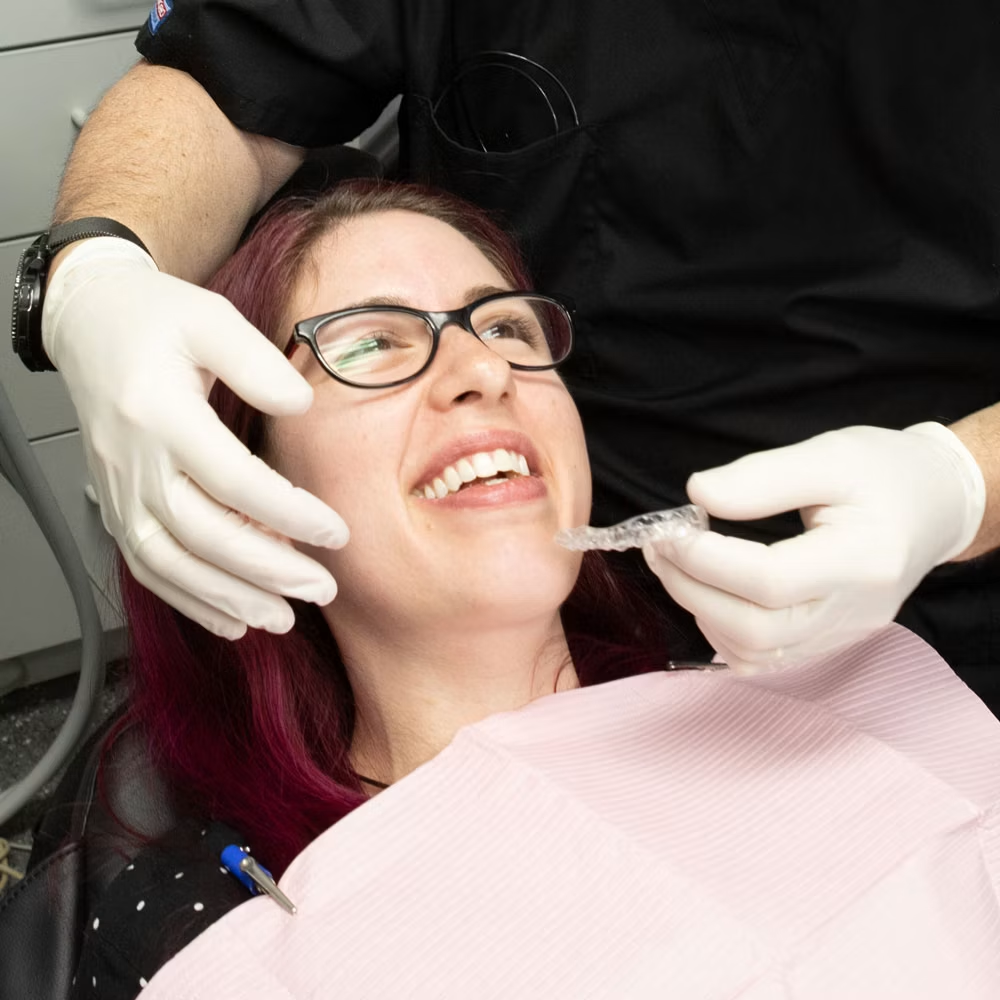
You might be feeling excited about changing your smile or softening a few lines on your face, yet also a bit uneasy. Maybe you have been scrolling through before and after photos, imagining what cosmetic dentistry or fillers from a trusted Carmel family dentist could do for your confidence, while a quiet voice in the back of your mind wonders, “Is this actually safe for me right now?”end
That tension is very common. You want to feel better about how you look, but you also do not want to trade short term improvements for long term problems. You may have heard stories of cosmetic treatments that looked great at first, then caused pain, infections, or expensive repairs later.
This is where preventive care changes everything. When you understand why it matters to put your overall health first, cosmetic treatments stop feeling like a risky leap and start feeling like a thoughtful, well planned choice. In simple terms, the message is this. If you build cosmetic work on a healthy foundation, it is safer, it lasts longer, and it usually costs you less over time.
So where does that leave you as someone considering a family and cosmetic dentist, facial fillers, or other aesthetic care? It starts with slowing down just enough to check your health before you change your appearance.
What really happens if you skip preventive care before cosmetic treatment?
Think of cosmetic work as the “paint” on a house. If the wood underneath is rotten, the paint might look good for a while, but it will eventually crack, peel, and expose deeper damage. Your teeth, gums, and skin work the same way. If there are hidden problems, cosmetic treatments can actually highlight them.
For example, imagine getting porcelain veneers over teeth that already have small cavities or weakened enamel. At first, the veneers look beautiful. Over time, decay continues under the surface. You might wake up months later with sensitivity, pain, or even a broken tooth. Repairing that means drilling through the veneer, redoing work, and paying again for something that could have been caught with a simple exam and X rays.
The same is true with facial cosmetic procedures. The Mayo Clinic explains that cosmetic procedures are still medical procedures. That means your general health, medications, and risk factors all matter. If you have uncontrolled diabetes, for instance, you may heal more slowly after surgery. If you tend to form thick scars, you might not be a good candidate for certain incisions. These are not flaws. They are simply medical realities that good preventive evaluation should uncover before anyone touches a needle or scalpel.
On a smaller scale, even “simple” dermal fillers require care. The FDA lists important do’s and don’ts for dermal fillers, including understanding your allergy history, infection risks, and who is actually performing the injection. Skipping that conversation increases the chance of swelling, lumps, or more serious complications like blocked blood vessels.
Because of these risks, preventive care is not just a medical box to check. It is the difference between cosmetic work that supports your wellbeing and cosmetic work that quietly undermines it.
Why your overall health matters before you change your smile or face
You might be thinking, “I just want my teeth to look straighter” or “I only want a bit more volume in my lips. Do I really need all this?” It can feel like overkill, especially if you are generally healthy. Yet preventive care is about more than catching big diseases. It is about understanding your personal risk picture.
The CDC describes preventive care as routine steps to stay healthy and detect problems early. In the context of cosmetic care, that means:
- Checking for gum disease before whitening, bonding, or veneers
- Reviewing medications that might cause dry mouth, bleeding, or slow healing
- Flagging conditions like high blood pressure or heart disease that affect surgical safety
- Understanding your history of cold sores, allergies, or autoimmune issues before injections
Now layer in the emotional side. Many people seek cosmetic dentistry or facial treatments during stressful seasons. A breakup. A new job. A big life change. When emotions run high, it is easy to want quick results. That is exactly when a calm, preventive checkup protects you from impulsive choices you might regret.
There is also the financial piece. Cosmetic work is rarely cheap. If you invest in a new smile or facial treatment without addressing the basics, you may pay twice. First for the cosmetic procedure. Then again to fix the preventable problems that surface later. Preventive care may feel like an extra step, yet it is often the most cost effective part of the entire process.
So the question becomes less “Do I really need preventive care?” and more “Why would I risk my health and my investment by skipping it?”
How does preventive care compare to jumping straight into cosmetic treatment?
To make this clearer, it can help to see the differences side by side. Imagine you are considering cosmetic dental treatment or facial fillers. Here is how two paths often play out.
| Approach | Short term experience | Long term outcome | Typical risks |
|---|---|---|---|
| With strong preventive care first | Takes a bit longer. Includes exams, medical history review, cleaning, and planning. | Results tend to last longer. Fewer surprises. Easier maintenance with routine checkups. | Lower risk of infection, failed restorations, or needing early redo work. |
| Jumping straight to cosmetic work | Feels fast and exciting. You see changes quickly with less upfront testing. | Higher chance of problems showing up under or around the cosmetic work. | More emergency visits, pain, and extra costs to fix hidden issues. |
When you look at it this way, preventive care is not about slowing you down just to be cautious. It is about protecting your future self from avoidable stress.
Three practical steps before starting any cosmetic dental or facial treatment
So, what can you do right now if you are considering a family and cosmetic dentist or other aesthetic provider and want to be smart about preventive care?
1. Start with a thorough health and dental checkup
Before talking about veneers, whitening, or injectables, schedule a full exam. For dental care, that means X rays, gum measurements, and a review of your bite and jaw. For facial or surgical procedures, it means an honest review of your medical history, medications, and any past reactions to treatments.
Use this visit to ask direct questions. “Is there anything that needs to be treated before I do cosmetic work?” “If we ignore these issues, what could happen later?” A good provider will welcome these questions and walk you through the answers in plain language.
2. Create a step by step plan instead of a one day makeover
Cosmetic changes often work best when they are staged. For example, you might treat gum disease and repair old fillings first. Then whiten. Then consider bonding or veneers. With facial work, you might start with smaller, reversible treatments before committing to anything permanent.
This kind of staged plan respects your budget and your health. It also gives you time to adjust emotionally. Sometimes people discover that fixing health issues alone already improves their confidence more than they expected.
3. Commit to maintenance before you commit to makeovers
Cosmetic results are only as strong as your daily habits. Before you invest in cosmetic dentistry or fillers, be honest with yourself about maintenance. Are you willing to brush, floss, and see your dentist regularly. Are you prepared to follow aftercare instructions, avoid certain activities for a while, and come in for checkups.
This kind of commitment protects your investment. It turns a one time procedure into part of a longer story of taking care of yourself, instead of a quick fix that fades or fails.
Bringing it all together so your cosmetic care supports your whole health
You do not have to choose between feeling good about how you look and staying safe. When you prioritize preventive care, you give your cosmetic treatments the best chance to be beautiful, durable, and aligned with your overall wellbeing.
Whether you are thinking about whitening, veneers, or other cosmetic treatment, or you are exploring facial procedures, take the time to check your health first. Ask hard questions. Expect clear answers. You are not being difficult. You are being wise with your body, your money, and your peace of mind.
You deserve care that sees all of you, not just your smile or your reflection. Starting with preventive care is how you make that happen.
