
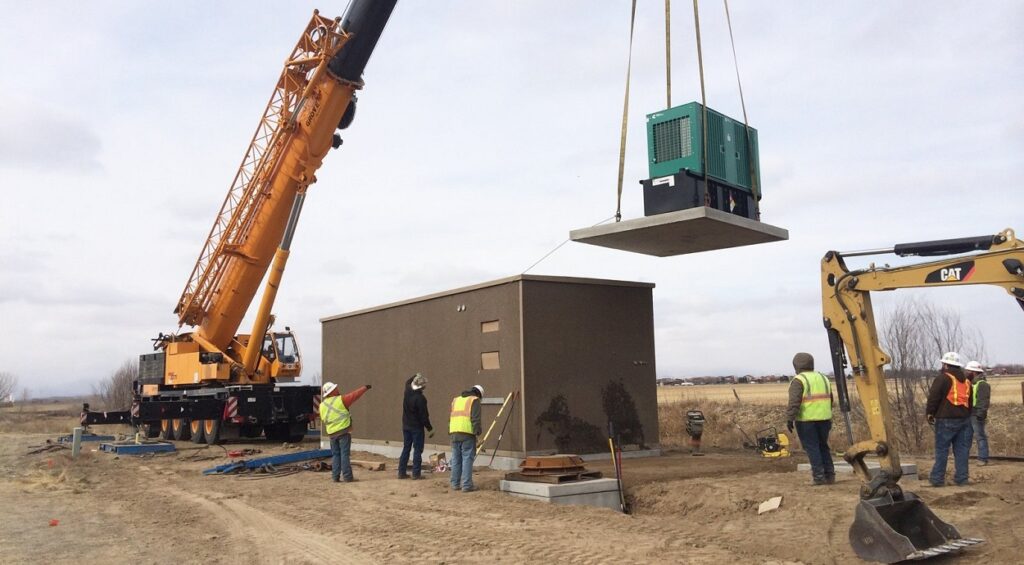
Each year, the Occupational Safety and Health Administration (OSHA) identifies numerous construction site and company violations linked to issues with rigging equipment. These violations predominantly revolve around rigging inspections, equipment operation, and assembly procedures.
Lifting and rigging operations are indispensable across various industries, facilitating the efficient movement of heavy loads with minimal human exertion.
However, incorrect rigging practices, such as the misuse of inappropriate chain rigging equipment and other operational factors, pose substantial risks. These hazards not only jeopardize equipment operators but also individuals in close proximity. Injuries stemming from improper rigging equipment use include severe physical harm, burns, cuts, disabilities, and even fatalities.
This article explores the key factors that can significantly impact the safety of lifting and rigging operations.
Factors That Make a Difference in Lifting and Rigging
- Weather Condition
Rain, wind, snow, and extreme temperatures can all pose significant challenges. For instance, strong winds can cause instability in loads, making it dangerous to lift heavy objects. Rain and snow can affect visibility and create slippery surfaces, increasing the risk of accidents.
It’s crucial for operators to monitor weather conditions and plan accordingly. In some cases, weather may necessitate postponing or altering the lifting plan to ensure safety.
- Work Load Limit
The work load limit is the maximum weight that a piece of equipment or rigging gear can safely handle. Exceeding this limit can result in equipment failure, accidents, and even fatalities. It’s important to calculate the weight of the load accurately and select the appropriate equipment with a sufficient work load limit to handle it. Overloading is a common cause of accidents in lifting and rigging operations, emphasizing the importance of this factor.
- Proper Rigging Method
The choice of rigging method is another critical factor. Different types of loads and environments require different rigging techniques. Using the wrong method can lead to load instability, equipment damage, or accidents.
Proper training and expertise in selecting and implementing the right rigging method are essential. Rigging professionals must also consider factors such as load distribution, the center of gravity, and the angle of the rigging gear to ensure a safe lift.
- Rigging Equipment Quality
Substandard or worn-out equipment can fail under stress, leading to catastrophic consequences. Regular inspections and maintenance of rigging gear are essential to ensure its reliability and safety. Quality control measures, such as adhering to industry standards and certifications, should be part of every lifting and rigging operation to guarantee the equipment’s integrity.
- Inspection and Maintenance
Regular inspections and maintenance are cornerstones of safe lifting and rigging. Equipment wear and tear, corrosion, and damage can occur over time, compromising safety. Rigorous inspection schedules, documentation, and immediate replacement or repair of faulty equipment are necessary to mitigate risks.
Preventive maintenance ensures that equipment is in optimal condition and ready for the demands of lifting and rigging tasks.
- Rigging Operator Certification
Competent operators are essential for safe lifting and rigging. Rigging operators should undergo proper training, certification, and continuous education to stay up-to-date with industry best practices.
Certification programs ensure that operators are knowledgeable about safety protocols, equipment usage, load calculations, and rigging techniques. A certified operator is better equipped to make critical decisions and navigate the complexities of lifting and rigging safely.
Excellent Chain Rigging Equipment and More With Southeast Rigging, Inc.
To ensure safe lifting and rigging, companies and professionals must prioritize safety protocols, invest in quality equipment, and commit to rigorous training and maintenance. With the right knowledge, tools, and dedication to safety, lifting and rigging operations can be executed smoothly and successfully, minimizing risks and ensuring the well-being of all involved. Remember, when it comes to lifting and rigging, safety should always come first.
At Southeast Rigging, Inc., safety is our top priority. Each of our products undergoes rigorous inspection in our state-of-the-art rigging shop, ensuring they meet and exceed all industry standards for manufacturing and distribution. This commitment guarantees that you receive nothing but top-quality products you can trust.
Browse our products today!

Leave a Reply