
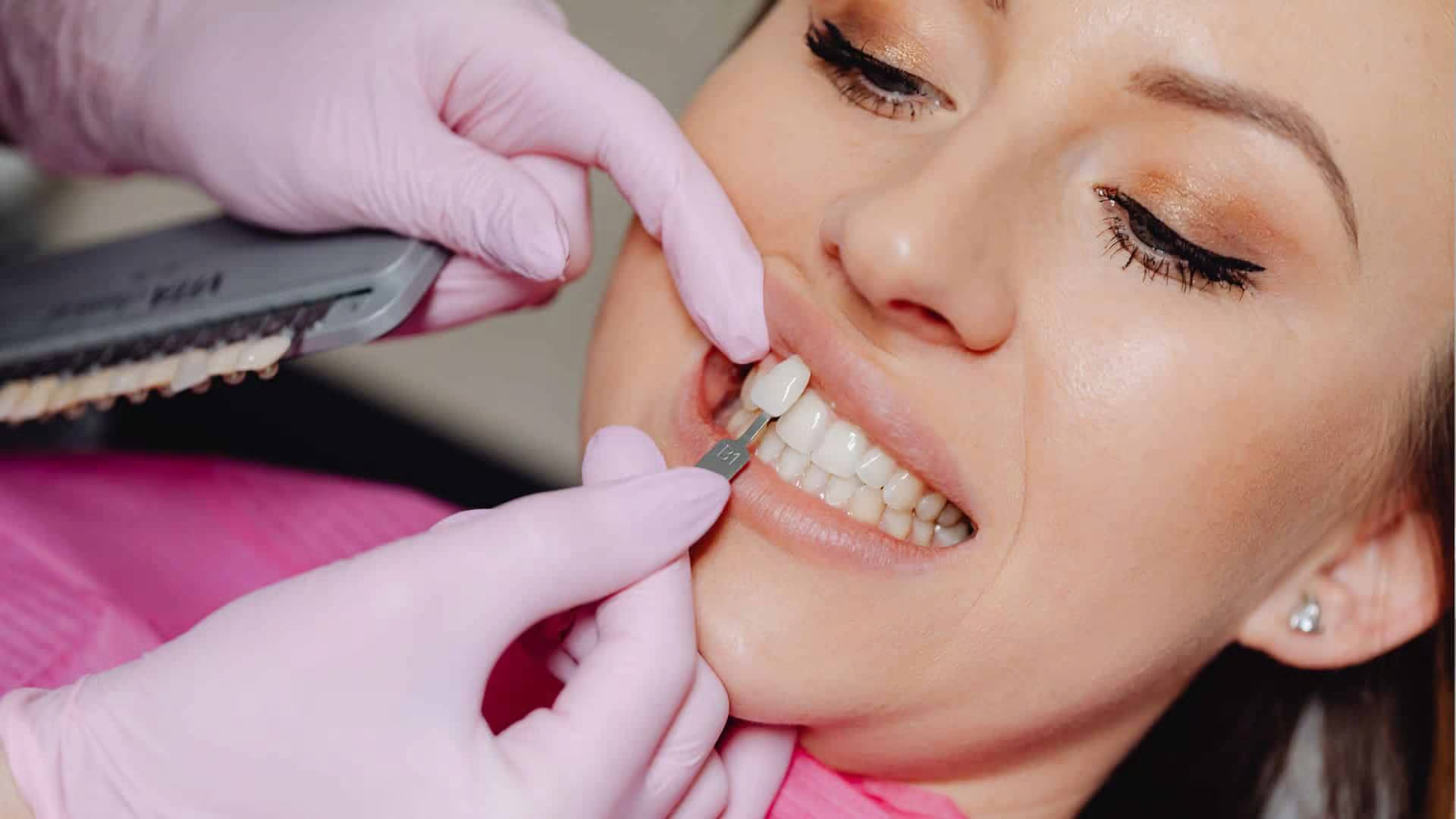
You might be at that point where you are tired of hiding your smile. Maybe you have chipped edges, dark stains that will not lift, or gaps that make you self conscious every time someone pulls out a camera. If you are looking for a dentist in Los Angeles, veneers look like a simple fix. A few visits, a brighter smile, and done. Then the questions start to creep in. How long do dental veneers last. Will they chip. Will they stain. Are you signing up for a lifetime of repairs.end
That mix of hope and worry is very common. You want a long lasting smile, but you do not want surprises. So here is the short version. Porcelain veneers usually last around 10 to 15 years, sometimes longer with excellent care. Composite veneers tend to last about 5 to 7 years. How long yours last depends a lot on the material, your bite, your habits, and the skill of the cosmetic dentist who places them.
So where does that leave you. It means veneers can be a stable, reliable way to change your smile, but they are not “set it and forget it.” You will need good planning, honest expectations, and a few daily habits to protect your investment.
What do veneers actually do, and why does lifespan matter so much?
Dental veneers are thin shells that cover the front of your teeth. They can change color, shape, and size, and they can close small gaps. According to the American Dental Association’s patient resource on dental veneers, they are often used when teeth are chipped, worn, or badly stained.
The problem is that veneers require removing a thin layer of enamel. That means once you choose them, you are committing to some type of long term covering on those teeth. This is why the question “How long do veneers last” is not just curiosity. It is about planning for the rest of your life with those teeth.
Imagine two people.
One person grinds their teeth at night, drinks sodas all day, and rarely makes it to routine cleanings. Another person wears a nightguard, limits sugar, and keeps regular dental checkups. Both get porcelain veneers from skilled cosmetic dentists. Ten years later, the first person is dealing with chips and replacements. The second is still happy with a smile that looks almost new.
The same procedure, two very different outcomes. That gap is where your choices and your dentist’s planning matter.
What shortens veneer lifespan and what helps them last longer?
When you ask “How long do dental veneers typically last” you are really asking about risk. What could go wrong, and what can you control.
Here are the big factors.
1. Material choice
Porcelain veneers are strong, stain resistant, and very natural looking. They cost more up front, but they tend to last longer. Composite veneers use a tooth colored resin. They can look good, and they cost less, but they usually have a shorter lifespan and may stain or chip more.
Professional groups like the American College of Prosthodontists explain in their veneer FAQs that porcelain is usually the more durable choice for people who want a long term cosmetic solution.
2. Your bite and habits
If you clench or grind, chew ice, bite your nails, or use your teeth as tools to open things, you put extra stress on veneers. Over time that can lead to cracks or chips. A strong bite is not a problem by itself, but an unbalanced bite or heavy grinding can be. A well trained cosmetic dentist will check this before placing veneers, and might recommend a nightguard to protect your teeth.
3. Oral hygiene and diet
Veneers do not decay, but the teeth under them can. If decay forms at the edge of a veneer, the veneer may need to be removed and replaced. Regular brushing with a soft brush, flossing, and professional cleanings lower this risk. A diet high in sugar or constant sipping of acidic drinks like soda or sports drinks makes it easier for decay to start around the edges.
4. Quality of planning and placement
The precision of the preparation, the type of cement, and how carefully your dentist checks your bite all affect how long veneers last. Research summarized in a report on dental materials and longevity shows that good bonding and proper handling of the ceramic make a real difference in performance over time.
5. Time and normal wear
Even with perfect care, veneers age. Tiny wear marks, minor edge changes, or a shift in your natural teeth color can show up after many years. This is normal. The goal is not to avoid all change, but to delay major problems and keep your smile healthy and attractive for as long as possible.
How do veneers compare, and what should you weigh before saying yes?
When you talk about how long veneers last, you often end up comparing them to other options, or thinking about what different choices mean for your wallet and your peace of mind.
| OPTION | AVERAGE LIFESPAN | COST OVER TIME | MAINTENANCE NEEDS | BEST FOR |
|---|---|---|---|---|
| Porcelain veneers | 10 to 15 years, sometimes longer with excellent care | Higher up front, fewer replacements over time | Regular cleanings, possible nightguard, careful habits | People wanting a long lasting cosmetic change and stable color/shape |
| Composite veneers | About 5 to 7 years | Lower up front, more frequent repairs or replacement | More touch ups, polishing, and repairs | Those wanting a budget friendly or reversible option |
| Whitening alone | Months to a few years, depending on habits | Lower per treatment, but repeated over time | Repeat whitening, stain control habits | People happy with tooth shape who only want color change |
| Orthodontics plus minor bonding | Many years if hygiene is good | Moderate to high, but usually less replacement | Retainers, cleanings, small bonding repairs | Those wanting to correct alignment first, then refine shape |
Looking at this, you can see that veneers are not “one and done.” They are a long term cosmetic treatment that will eventually need maintenance or replacement. The question is not only “How long do they last” but “Am I comfortable with the upkeep that comes with this kind of cosmetic dentistry.”
Three steps you can take now to protect your future veneers
So what can you do today, even if you are still deciding.
1. Get a thorough evaluation, not a quick quote
Before you commit to any cosmetic dentist or treatment plan, schedule a visit that includes photos, x rays, and a careful look at your bite and enamel. Ask about alternatives, such as whitening or orthodontics. A good dentist will tell you when veneers are not the best first step. You want someone who plans your smile around function and health, not just appearance.
2. Be honest about your habits and lifestyle
Tell your dentist if you grind, clench, snack late at night, or drink a lot of coffee, tea, wine, or soda. This is not about judgment. It is about designing veneers that can survive your real life. You might need a nightguard, guidance on safer foods, or a specific home care routine. The more your dentist knows, the better they can protect the lifespan of your veneers.
3. Start “veneer friendly” habits now
Even if you have not had veneers placed yet, you can start acting like you do. Use a soft toothbrush and non abrasive toothpaste. Floss daily. Avoid chewing ice or hard candies. Be careful with very sticky foods. Get routine cleanings and checkups. These habits protect your natural teeth now and make it easier to keep veneers in good shape later.
Moving forward with confidence about veneer longevity
Choosing veneers is not just about looking better in photos. It is about how you feel every time you laugh, talk, or meet someone new. It is normal to worry about how long veneers last and what happens years from now. Those worries are actually helpful. They push you to ask better questions and to choose a plan that fits your life, not just your next big event.
With the right material, a thoughtful cosmetic dentist, and daily habits that respect your teeth, veneers can stay beautiful for many years. You are not looking for perfection. You are looking for a smile you can live in comfortably, without constant fear of chips and repairs.
You do not have to figure all of this out alone. Bring your questions, your concerns, and even your worst case scenarios to a trusted cosmetic provider. A clear, honest conversation today can give you a smile that feels like it truly belongs to you for a long time to come.
